

Small Cities, Big Targets: Combating Municipal Cyberattacks
Cybercriminals aren’t skipping small cities. They’re targeting them. Attacks on U.S. municipalities caused an estimated $623.7 million in damage, crippling city services, draining local budgets, and shaking public trust.

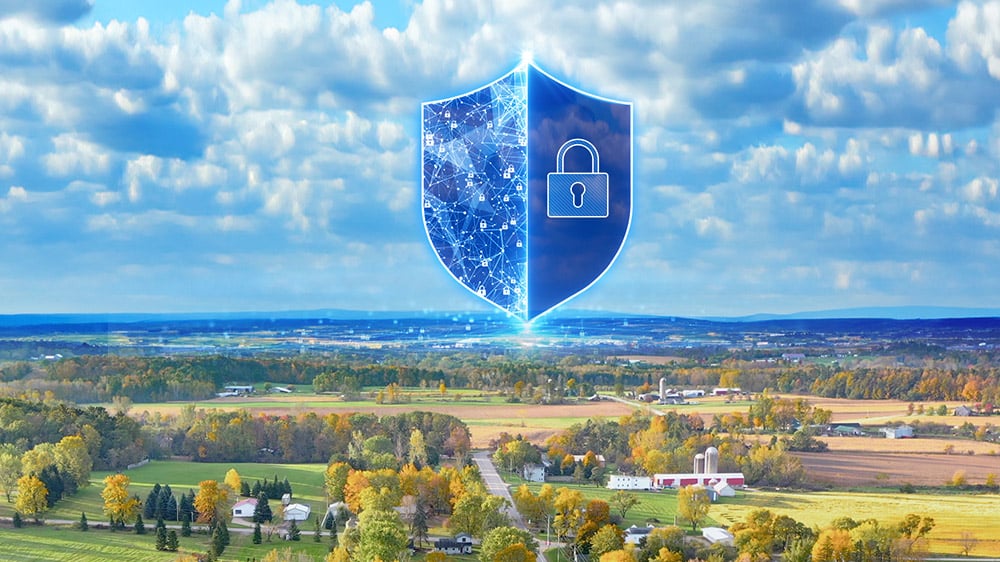
Think your city is too small for an attack?
Cybercriminals aren’t skipping small cities. They’re targeting them. In 2021 alone, ransomware attacks on U.S. municipalities caused an estimated $623.7 million in damage, crippling city services, draining local budgets, and shaking public trust.
This is not a hypothetical threat. Attacks are happening across the country, and smaller cities are getting hit the hardest. In this article, you’ll learn why municipalities are being targeted, how much these breaches actually cost, and what small cities can do today to build cost-effective cyber defenses.
Why Small Cities Are Prime Targets
Hackers don’t waste time on hardened targets. They go after vulnerable ones, and local governments fit the profile:
- Legacy systems that haven’t been patched in months or years
- Lean IT teams unable to monitor or remediate in real time
- Tiny budgets that limit investment in endpoint security, training, or audits
- No cyber insurance leave recovery costs directly on taxpayers
- Untrained employees make phishing attacks highly effective
Cybercriminals don’t need complex exploits. They just need one overlooked update or one staffer who clicks the wrong link.
Think cyberattacks only hit big cities? Think again.
In June 2023, West Jordan City, Utah was targeted by hackers demanding hundreds of thousands in ransom. City officials refused to pay, relying on cybersecurity insurance instead.
The Real-World Cost of Municipal Cyberattacks
The financial repercussions of ransomware attacks on small cities are both significant and well-documented:
Garfield County, Utah (2019):
Paid a ransom in Bitcoin when an unnamed government employee clicked on a phishing email that crippled access to files, phones and systems and stole numerous county offices’ data.
Lake City, Florida (2019):
Paid $460,000 in Bitcoin after ransomware shut down critical city systems and disrupted emergency services.
Huber Heights, Ohio (2023):
Allocated $450,000 to fund upgrades to the city’s cyber network following a $350,000 ransomware attack that disrupted zoning, finance, utilities, HR, and other city divisions.
Average Ransomware Downtime:
Ransomware typically disables city systems for 7.3 days, costing roughly $64,645 each day offline.
These incidents show that no municipality is too small to be targeted. A breach doesn’t just knock systems offline—it reroutes funding, delays services, and invites scrutiny from voters, vendors, and regulators.
How to Fortify Your City Without Breaking the Budget
Enhancing cybersecurity doesn’t require massive spending. Strategic action reduces risk fast and affordably. By taking these steps, your city can dramatically reduce exposure, protect infrastructure, and maintain public trust.
Regularly Update and Patch Systems
Unpatched software remains one of the most exploited entry points for attackers.
Action Steps:
Conduct Comprehensive Employee Training
Human error remains the top cause of cyber breaches.
Action Steps:
Develop a Robust Incident Response Plan
Without a clear plan, your response will be slow, inconsistent, and costly.
Action Steps:
Perform Regular Security Audits
Security isn’t set-and-forget. It needs constant validation.
Action Steps:
Leverage External Expertise
Most small cities don’t have, and don’t need, a full-time security team.
Action Steps:
Think your city is too small for an attack?
That’s exactly what makes it a target.
What Happens If You Wait
Worst case? Cities that wait get held hostage to massive ransoms just to regain control of their own services. Cyberattacks aren’t one-off events. They’re part of an illicit, profitable business model. If you’re not actively defending your systems, someone is already probing them.
Don’t wait until your city’s systems are paralyzed. Our cybersecurity services provide affordable protection tailored for small cities. Contact or call us today for a Free Municipal Cybersecurity Risk Assessment!